Summary: Beverage distribution warehouse automation must balance high pallet volumes, seasonality, SKU rotation and reliable dispatch. This guide explains how to frame a practical automation decision.
Why this decision matters
Beverage distribution often combines fast throughput with seasonal peaks, varied pack formats and a need for accurate FIFO or FEFO handling. Automation can improve storage density and flow, but only when the concept reflects the actual inbound, replenishment and dispatch pattern. The selection process should make those constraints explicit from the start.
For overseas B2B buyers, the right approach begins with an operating model, not a catalogue of machines. Map the product flow, order profile, storage conditions, service targets, labour model and future growth constraints. That gives engineering, operations and procurement a shared basis for comparing alternatives without assuming results that have not been validated for the site.
Questions to answer before selecting a solution
- Which SKUs, pack types and pallet configurations create the most movements?
- How do seasonal events change receiving, storage and outbound demand?
- Which products require FIFO, FEFO, batch or date controls?
- Where do value-added services, mixed orders or manual checks interrupt the flow?
- What dock, marshalling and transport cut-off constraints drive dispatch priorities?
- What continuity process is required during maintenance or system recovery?
Document these answers in a single requirements register. It should identify the owner of every assumption, the data source behind it and the test that will prove it at acceptance. This discipline helps procurement compare proposals on a like-for-like basis and prevents a late design change from becoming an unplanned operational compromise.
How the solution should be designed
Translate demand into operating scenarios
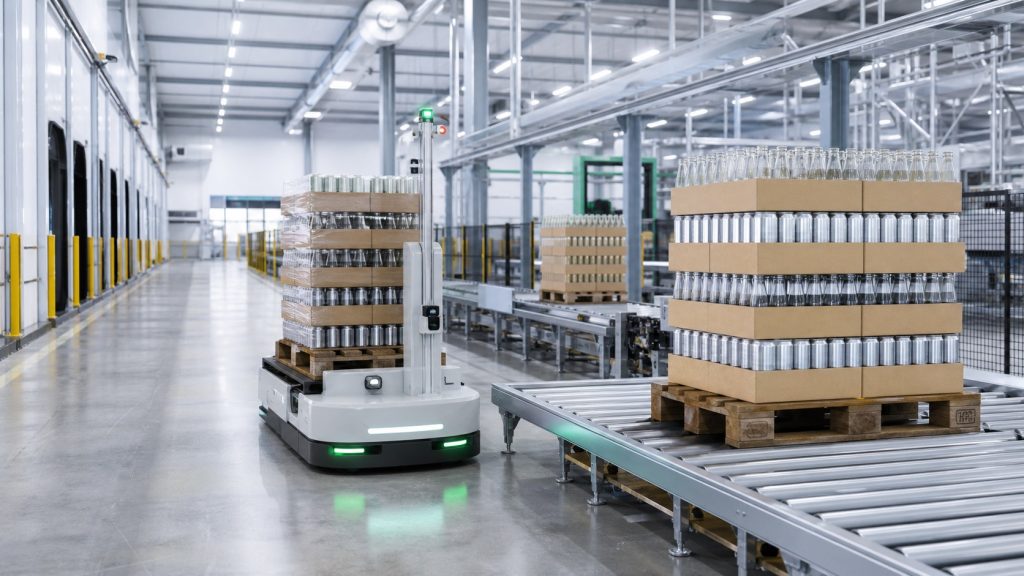
Build scenarios around the real dispatch calendar. Include a promotion spike, a late supplier vehicle, fast-moving lines that need replenishment, and a short-notice priority order. This exposes whether staging, equipment capacity and software priorities work together instead of moving a bottleneck from storage to the dock.
Protect flow at the interfaces
Warehouse automation is only as effective as its hand-offs. Receiving, storage, replenishment, picking, packing and dispatch should have clear buffer rules and escalation paths. Design reviews should include blocked stations, missing labels, short picks, damaged loads, priority orders and a temporary equipment outage. A system that only works under steady-state conditions is not a complete operating design.
Connect software and physical execution
The WMS establishes inventory and order intent; the control layer coordinates live equipment activity. Define message ownership, confirmation points, retries and recovery actions before commissioning. Review SA-WMS and AI-WCS digital logistics when software architecture is part of the project scope, and align it with the required equipment interfaces.
Buyer comparison checklist
| Evaluation area | What to request | Why it matters |
|---|---|---|
| Operating data | Assumptions, peak profile and scenario calculations | Tests whether the design matches the actual workload |
| Layout and interfaces | Material-flow drawing and responsibility map | Reveals hand-off, buffer and access constraints |
| Controls | Interface description, alarm approach and recovery logic | Shows how the solution behaves outside normal flow |
| Support | Commissioning plan, training scope and service model | Clarifies readiness beyond equipment delivery |
Compare alternative concepts using the same product and order data. Look at accessibility, load sequencing, buffer capacity, dispatch staging, software rules and operator interventions. The best option is the one with a clear response to the warehouse’s peak hours and exceptions, not merely the highest nominal capacity.
Common mistakes to avoid
A common error is sizing automation from an annual average. Beverage operations are often defined by shorter peaks, so peak profiles and loading cut-offs deserve direct attention. Another is overlooking the effect of different pallet and packaging conditions at the inbound boundary. Standardise inspection and exception handling before loads enter automated storage.
Also avoid treating the quoted equipment list as the project boundary. Confirm civil work, utilities, fire-safety interfaces, IT network responsibilities, integration testing, training, spares and maintenance access. These items do not need speculative cost figures to be managed; they need an agreed owner and an explicit acceptance condition.
Implementation and acceptance planning
Before equipment arrives, establish a shared implementation plan covering detailed design reviews, data cleansing, software configuration, training, site readiness and testing. Keep an assumptions log and resolve changes through a defined governance process. The aim is not to predict every operational detail at the RFP stage; it is to make decisions traceable and prevent an unresolved interface from being silently transferred to the operating team.
Acceptance should demonstrate the agreed scenarios with recorded results. Confirm what data will be used, which parties witness each test, how defects are categorised and how retesting is managed. Include operator training and handover documentation in the completion criteria. That creates a more reliable transition from project delivery to daily warehouse operation.
FAQ
Why is beverage warehousing different from general pallet storage?
It commonly has high-volume SKU rotation, seasonal peaks and strict lot or date rules. Those traits change the required storage and dispatch logic.
Can automation support FIFO or FEFO?
Yes, if the inventory rules, location strategy and execution confirmations are designed together. Confirm the rule owner and exception process.
Should dispatch staging be part of the automation scope?
It should at least be modelled. Dispatch staging and dock timing directly affect the flow released from storage.
What data is needed for a first concept?
Start with SKU and pallet data, hourly inbound and outbound patterns, inventory profile, order rules, layout constraints and expected growth.
Next step
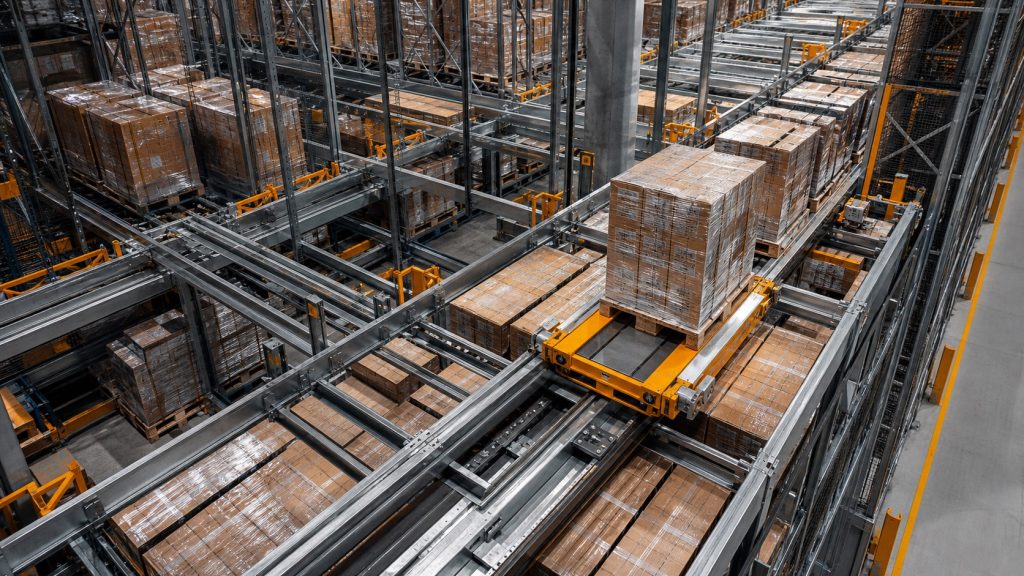
Use live operating data to create a beverage automation concept that stays workable through seasonal pressure. Explore the 3D four-way shuttle robot, the smart AS/RS warehouse system and SAFER project cases, then contact SAFER to discuss a solution based on your site data.